

Strip a bottle of e-liquid down and you have four things: propylene glycol, vegetable glycerin, flavour concentrate and, in most bottles, nicotine. The first two make up the great majority of the liquid, and the number printed on the label, 50/50, 70/30 and so on, is the split between them.
Neither is better. They do different jobs, and the ratio is simply how much of each job you want doing. Most of the confusion around e-liquid comes from people buying a ratio their device cannot handle rather than a ratio they dislike.
Flavour intensity. PG is the better carrier, so a PG-heavy liquid tastes sharper and more defined. VG rounds the edges off and adds a faint sweetness of its own. Tobacco, menthol and crisp fruit flavours are clearest with more PG. Custards, creams and bakery flavours often taste better with more VG, because the sweetness and the body suit them.
Throat hit. That catch at the back of the throat comes mostly from PG and from nicotine. More PG means a sharper hit, which is exactly what a lot of ex-smokers are looking for. More VG means a softer, smoother inhale. A 50/50 blend sits in the middle and is comfortable for most people at most strengths.
Vapour. VG is what you see. A 70/30 or 80/20 liquid in a sub-ohm tank produces dense clouds. A PG-heavy liquid in a small pod kit produces a thin, discreet wisp, which is preferable if you would rather not announce yourself in a queue.
Wicking and coil life. This is the practical one. PG soaks into cotton in seconds. VG is syrupy and takes far longer, which is why the wicking channel in the coil has to be sized for the liquid going through it. Thick VG liquid also builds residue faster in a small device. Sweet flavours shorten coil life whatever the ratio.
Sensitivity. The NHS lists dry mouth and throat irritation among the common side effects of vaping. If a PG-heavy liquid leaves your throat feeling dry, a higher-VG blend is the first thing to try.
50/50. The workhorse. Balanced flavour, moderate throat hit, modest vapour, and thin enough to wick in almost anything. Practically every 10ml bottle and every nic salt on the UK market is mixed at 50/50, because that is what pod kits and mouth-to-lung tanks need. If you are not sure, this is the answer.
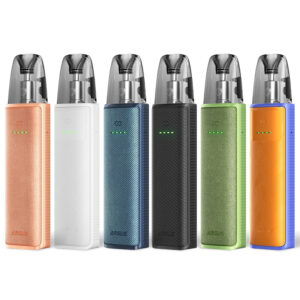
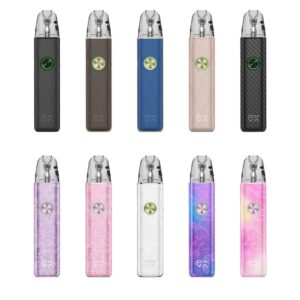
60/40 VG. A slight step towards smoothness and vapour while keeping flavour clear. Works in the more open pod kits and restricted direct-to-lung pod mods with coils around 0.6Ω. A sensible middle ground if 50/50 feels harsh but 70/30 is too thick for your device.
70/30 VG. The standard for sub-ohm vaping and the ratio most shortfills arrive at. Thick clouds, soft inhale, flavour still perfectly good. Needs a coil below about 0.6Ω and the wattage to match.
80/20 VG. Cloud-focused. Very smooth, very little throat hit, and it needs a capable tank with wide wicking ports. Flavour is present but softened.
Max VG, 90 percent and up. The thickest liquid you can reasonably vape. Enormous vapour, almost no throat hit, and it will flood or choke anything that is not built for it. This is competition and high-wattage territory rather than everyday vaping.
High PG, 60 percent PG and above. The opposite end. Sharp throat hit close to a cigarette, very clear flavour, thin vapour, fast wicking. Uncommon on UK shelves as a bottled product, but it is what a lot of basic starter kits and simple MTL tanks genuinely prefer.
Coil resistance is the shortcut. A mouth-to-lung coil of 0.6Ω and above, typically 0.6Ω to 1.2Ω, wants 50/50. A coil below about 0.6Ω wants high-VG 70/30. A coil sitting right around 0.6Ω is where 60/40 lives.
| Your device | Coil | Power | Ratio to buy |
|---|---|---|---|
| Pod kit or prefilled pod kit | 0.6Ω to 1.2Ω | 10W to 18W | 50/50 |
| MTL tank on a small battery | 1.0Ω and above | 10W to 18W | 50/50 or more PG |
| Restricted DTL pod mod | Around 0.6Ω | 18W to 30W | 60/40 VG |
| Sub-ohm tank | 0.2Ω to below 0.6Ω | 40W to 80W | 70/30 VG |
| High-wattage mod and mesh | Below 0.2Ω | 80W and up | 80/20 VG or max VG |
Wattage figures are typical ranges, not rules. Always start at the bottom of the range printed on the coil and work up. If you are unsure which category you fall into, read MTL vs DTL vaping first, since inhalation style decides the device and the device decides the ratio.
The two decisions are linked, because throat hit comes from both PG and nicotine. A 20mg freebase liquid at 60 percent PG would be brutal. The same 20mg as a nic salt at 50/50 is comfortable, which is the whole reason salts exist.
That gives you a simple rule. High strength means salts and 50/50, in a pod kit. Low strength means freebase and higher VG, in a sub-ohm device. Trying to run 20mg through a 0.3Ω coil is unpleasant and wasteful, and trying to run 3mg through a tight pod feels weak to most people. Work out where you sit with how much nicotine should I vape, and if you have settled on salts, which pod kit works best with nic salts narrows the hardware down.
Remember the legal frame while you are choosing. A nicotine-containing bottle in the UK is capped at 10ml and 20mg/ml, and a nicotine-containing pod or tank at 2ml. Larger bottles are legal only at 0mg, which is why shortfills exist and why they are almost always VG-heavy.
Two routes get you a ratio that is not on the shelf. The easy one is a shortfill and a nic shot: match the shot to the bottle, because a 70/30 shot in a 70/30 shortfill keeps the ratio where the manufacturer put it, while a 50/50 shot thins it out slightly. The harder one is mixing from base, which is what the DIY and concentrates range is for.
Mixed liquid keeps well if you look after it. Cool, dark and sealed is the whole trick, and our notes on e-liquid shelf life and storage cover the details. If you want to go further into large-format mixing, the longfill guide picks up where this leaves off.
Start at 50/50, because it works in the widest range of devices and gives you a fair reading on both flavour and throat hit. Then adjust on one axis at a time.
Your preference will also move as your kit does. Someone who starts on a pod kit at 50/50 often ends up on a sub-ohm tank at 70/30 a year later, and both choices were correct at the time. Several of the most frequent errors here are covered in common vaping mistakes beginners make.
Free UK delivery over £15, 1.8 reward points on every £1 and 20,000+ five-star reviews. New here? Register at checkout for 10% off your first order.
50/50. It wicks in nearly every device, gives balanced flavour and a comfortable throat hit, and it is the ratio your first pod kit was designed around.
Most UK shortfills print VG first, so 70/30 means 70 percent VG, and that is the convention used throughout this guide. Some 10ml bottles list PG first or spell it out as 50PG/50VG. If a label only shows one number without letters, check the product description before assuming which way round it is.
Only if the device can handle it. VG is what becomes vapour, but a small low-power coil cannot vaporise much of anything. Clouds come from the ratio and the hardware together.
Thick VG liquid builds up on a coil faster, particularly in small devices. But the bigger factor is sweetener: dark, sweet and dessert flavours will shorten coil life at any ratio.
The NHS lists dry mouth and throat irritation among the common side effects of vaping, and PG is the sharper of the two base ingredients. Drinking water and moving to a higher-VG blend are the usual first steps. If it persists, speak to a pharmacist.