

The 10ml limit started life in the EU Tobacco Products Directive, usually shortened to TPD. The UK implemented that directive through the Tobacco and Related Products Regulations 2016, often called TRPR. Because TRPR is a UK statutory instrument, it did not disappear when the UK left the EU. It is still the rulebook for nicotine vaping products sold here.
The part that matters for bottle size is regulation 36, Product requirements. It says nicotine-containing liquid can only be placed on the market in a “dedicated refill container in a volume not exceeding 10 millilitres”, or in a “single use cartridge, or a tank, in a volume not exceeding 2 millilitres”. The same regulation says the liquid “must not contain nicotine in excess of 20 milligrams per millilitre”.
Those three numbers, 10ml, 2ml and 20mg/ml, explain almost everything about how UK e-liquid is packaged. Our full guide to UK vape laws covers the rest of the rulebook, including the disposable vape ban that has been in force since 1 June 2025.
It helps to see the limits side by side. Each applies to products that contain nicotine; 0mg liquids are covered by general product safety law instead of the nicotine notification rules.
| Product | UK limit | What it means for you |
|---|---|---|
| Nicotine refill bottle | Up to 10ml | Every nicotine e-liquid and nic salt bottle is 10ml or smaller |
| Pod, cartridge or tank | Up to 2ml | Prefilled pods and tanks sold for nicotine liquid hold 2ml at most |
| Nicotine strength | Up to 20mg/ml | The strongest legal liquid is 20mg, including nic salts |
| Refill containers | Child-resistant and tamper-evident | Caps you have to push and twist, and a seal that shows if it has been opened |
| 0mg shortfills | No 10ml cap | Sold in larger bottles with room left to add a nic shot |
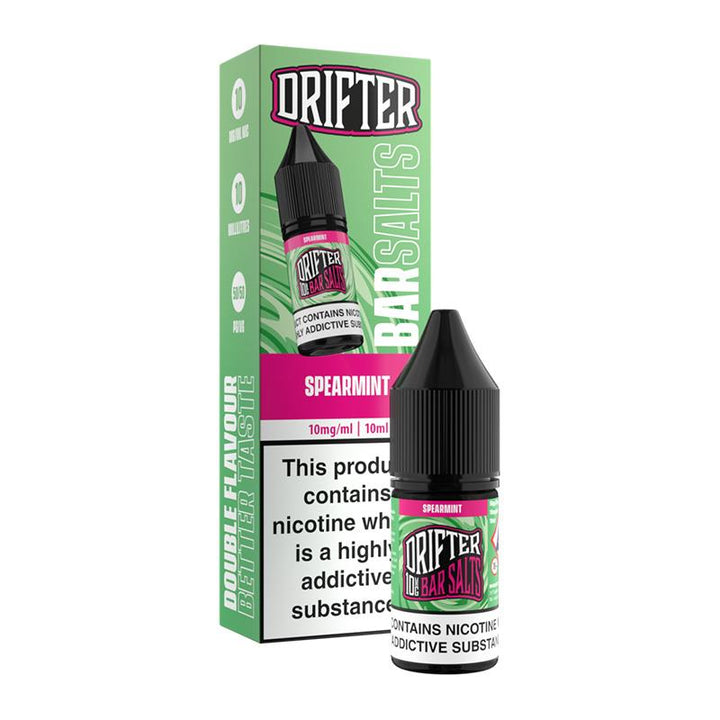
Regulation 36 also requires refill containers to be “child-resistant and tamper-evident” and “protected against breakage and leakage”. That is why every 10ml bottle has a push-and-turn cap and a breakable seal, and why nic shots come in the same style of bottle. Before a nicotine product can be sold it also has to be notified to the MHRA, with details of its ingredients and emissions.
The regulations themselves do not explain their reasons in plain English, but the logic of a volume and strength cap is straightforward, and it is the same logic that sits behind the child-resistant caps.
For vapers, the practical upshot is simple: you buy nicotine liquid in 10ml units. A typical pod-kit vaper uses about 10ml to 15ml a week, so a bottle lasts three to seven days, and many people buy several bottles at a time. Multipacks such as the Kingston 10ml 50/50 range exist precisely because of the 10ml cap. They are still individual 10ml bottles, just boxed together.
A shortfill is a larger bottle of 0mg e-liquid that is deliberately left short of full. Because it contains no nicotine, the 10ml limit does not apply, and it can be sold in 50ml, 100ml or larger sizes. Any bottle over 10ml, whether 50ml, 100ml or larger, is sold at 0mg; there is no legal way to sell it with nicotine already in.
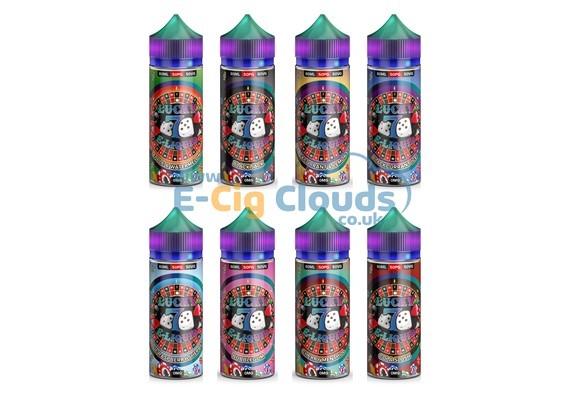
If you want nicotine in a shortfill, you add it yourself with a 10ml nic shot, which is a small bottle of unflavoured nicotine liquid. Add one 18mg shot such as the Nic Nic 18mg 50VG shot to a 50ml shortfill and you get 60ml at about 3mg. Add two to a 100ml bottle and you get 120ml at about 3mg. Other sizes, such as Lucky 7 80ml, follow the same principle; check the label for how much space is left for shots.
Shortfills are mostly high-VG and suit sub-ohm tanks rather than small pods. If you are not sure which way to go, read our comparison of shortfill vs 10ml e-liquid, and our step-by-step guide to mixing nic shots into e-liquid.
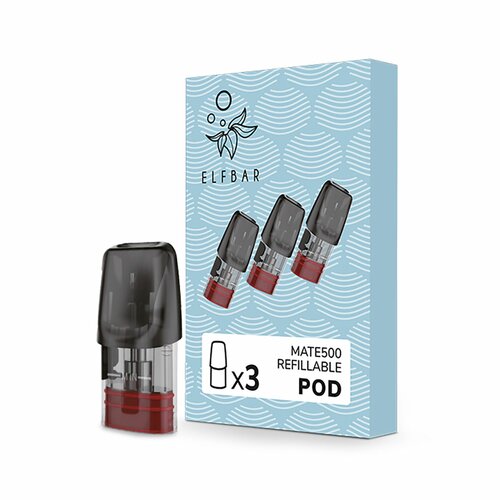
The 2ml limit in regulation 36 applies to cartridges and tanks, which is why UK pod kits use pods of 2ml or less. It covers prefilled pods and the empty refillable pods you fill yourself. That is why UK versions of tanks hold 2ml, even where the same tank is sold abroad with a bigger glass.
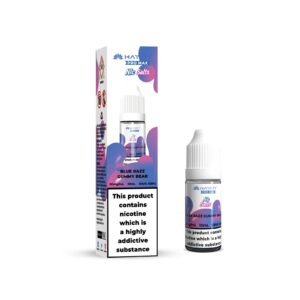
The 20mg/ml cap is the reason UK nic salts top out at 20mg. Strengths above the 20mg limit are illegal to sell here, whatever you see advertised abroad. Bar-style salts such as Bar Juice 5000 Blue Razz Lemonade come in 5mg, 10mg and 20mg, and freebase liquids such as 88Vape Menthol Chill sit in the same 10ml bottle format.
Which strength suits you depends on how much you smoked or vape now, not on the legal maximum. Our nicotine strength guide sets out the usual starting points for freebase and nic salts.
Because every legal nicotine bottle follows the same rules, the label tells you most of what you need. Four things are worth checking every time.
If a seller offers nicotine liquid in a bottle bigger than 10ml, or stronger than 20mg, it is not a legal UK product. Buying from a UK retailer that stocks notified products is the simplest way to avoid that.
The Tobacco and Vapes Act 2026 received Royal Assent on 29 April 2026. It gives ministers powers to make new rules on vaping products in future, such as on flavours, packaging and display. It does not itself change the 10ml, 2ml or 20mg/ml limits, and no flavour ban is in force.
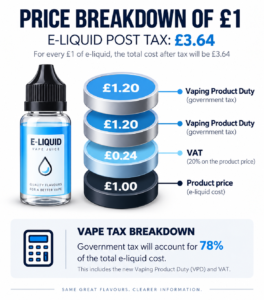
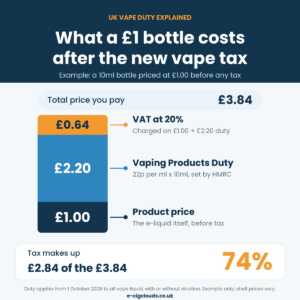
Separately, the Vaping Products Duty applies from 1 October 2026 at £2.20 per 10ml, or £2.64 with VAT, on every vaping liquid including 0mg. It is charged per millilitre, so it lands the same way on a 10ml bottle as on a shortfill. Our explainer on how much vape prices will go up goes through each format.
Until the regulations are amended, expect the 10ml bottle to stay the standard unit for nicotine e-liquid in the UK. If you are new to liquids in general, our guide to what e-liquid is explains PG, VG, flavourings and nicotine in plain terms.
Free UK delivery over £15, 1.8 reward points on every £1 and 20,000+ five-star reviews. New here? Register at checkout for 10% off your first order.
Regulation 36 of the Tobacco and Related Products Regulations 2016 limits nicotine refill containers to 10ml. It came from the EU Tobacco Products Directive and remains UK law.
No. Larger bottles are legal as long as they contain no nicotine when sold. That is what shortfills are, and you can add a 10ml nic shot yourself.
The legal maximum is 20mg/ml. That applies to freebase liquids and nic salts alike.
Yes. The rule is in a UK statutory instrument, so it stayed in force when the UK left the EU.
The regulations require refill containers to be child-resistant and tamper-evident. The push-and-turn cap and breakable seal are how manufacturers meet that.