
Free shipping on orders over £15
From 1 October 2026 every bottle, pod and shortfill sold in the UK carries a new duty. Here’s exactly how it’s worked out, which products it hits hardest, and how to keep your monthly spend down.
Until now, e-liquid in the UK has only carried VAT. That changes on 1 October 2026 when the Vaping Products Duty (VPD) – announced in the 2024 Budget and confirmed under the Tobacco and Vapes Act – comes into force. It’s a flat excise duty charged on the volume of liquid, not its nicotine strength.
The government’s original plan was a three-tier rate based on nicotine content. That was dropped for a single flat rate of £2.20 per 10ml, which means a 0mg shortfill is taxed exactly the same as a 20mg nic salt of the same size.
Alongside the duty comes a Duty Stamps Scheme: every bottle or pod released for sale from October must carry a stamp showing the tax has been paid. If you start noticing a small stamp on your packaging, that’s why.
Because the duty is charged per millilitre, the easiest way to predict a price rise is to look at how much liquid is in the box. The table below shows the tax alone (duty plus VAT). Final shelf prices will also reflect suppliers’ compliance and stamping costs, so treat these as the minimum you should expect.
| Product | Liquid | Duty | Duty + VAT |
|---|---|---|---|
| Single prefilled pod | 2ml | £0.44 | £0.53 |
| Twin pack of pods | 4ml | £0.88 | £1.06 |
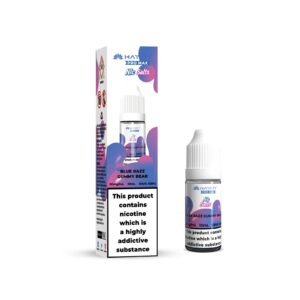
| 10ml e-liquid / nic salt | 10ml | £2.20 | £2.64 |
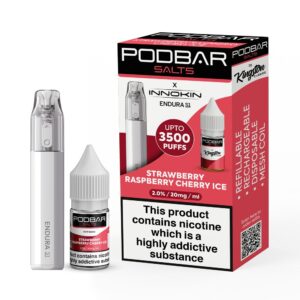
| Big puff kit / 2ml + 10ml refill | 12ml | £2.64 | £3.17 |
| 50ml shortfill + 1 nic shot | 60ml | £13.20 | £15.84 |
| 100ml shortfill + 2 nic shots | 120ml | £26.40 | £31.68 |
If you’ve been buying 10ml bottles for years, you probably don’t think about the price of one bottle – you think in deals. Three for a tenner, four for £10, five for £12. Those offers only ever worked because the underlying cost of a 10ml bottle was low and stable.
Add £2.64 to each bottle and a four-bottle bundle carries more than £10.50 in new tax before anything else. The maths behind those familiar bundles simply stops working, so expect them to be replaced with new price points rather than disappearing altogether. Bundles will still be the cheapest way to buy 10mls – they’ll just start from a higher base.
On paper, prefilled pod users get off lightly – an extra 53p on a 2ml pod doesn’t sound like much. But pods are bought on repeat. If you get through a pod a day, that’s roughly £16 more a month, or around £190 a year, before any supplier price changes.
Nothing about the pods themselves changes – same flavours, same strengths, same devices. What changes is the running cost of convenience. It’s worth knowing that figure now rather than noticing it in your bank statement in six months.
Shortfills have long been the best-value way to vape for heavier users. Under a per-millilitre tax, they’re also the format that carries the most liquid — so they get the largest increase in pounds and pence.
A 100ml shortfill with two nic shots is 120ml of taxable liquid: £31.68 in duty and VAT alone. A bottle that costs around £12–£15 today could realistically sit north of £40 once new stock arrives. The cost per ml will still beat pods and 10mls, but the amount you hand over at checkout will feel very different.
There’s a frustrating irony here: shortfills aren’t associated with youth vaping and produce far less packaging waste per ml than any other format – yet the flat rate hits them hardest.
The duty only applies to stock released to market from 1 October. Anything already in the supply chain before then can legally be sold at pre-duty prices until 31 March 2027. That creates a six-month window where old and new stock sit side by side.
No duty. Prices as normal. Best time to stock up on what you know you’ll use.
Duty starts. New stamped stock arrives at higher prices; older stock still sells at the old price.
Sell-through ends. All e-liquid on sale must be duty-paid and stamped.
Honestly: no retailer can. At £2.64 per 10ml the duty is bigger than the margin on most bottles, so it has to be passed on. What we can promise is that we won’t add a penny on top of the tax, we’ll keep bundle pricing wherever the numbers allow, and we’ll keep paying 1.8 reward points on every £1 you spend so regular customers claw some of it back – see how points work.
Yes. The flat rate applies to all vaping liquid regardless of nicotine content, including 0mg shortfills.
No. The duty is on liquid only. Hardware prices aren’t directly affected, though prefilled kits are taxed on the liquid they contain.
Not all at once. Stock we hold before October stays at its current price until it sells out, or until 31 March 2027 at the latest.
For most adults, comfortably. A pack-a-day smoker spends well over £5,000 a year; even a heavy refillable vaper paying full duty will typically spend a fraction of that.
HMRC’s guidance on Vaping Products Duty on GOV.UK has the full detail.