

Can you vape on a plane? No. Every commercial airline operating in and out of the UK bans the use of electronic cigarettes on board, and the ban covers the whole aircraft for the whole journey. Airports are almost as strict. Once you are through the terminal doors, vaping is prohibited everywhere except the occasional signed outdoor smoking area before security, and after security there is usually nowhere at all.
What you can do is carry the device. UK and international aviation rules are clear that a personal vape kit is allowed as cabin baggage, along with a reasonable number of spare batteries, as long as everything is powered down and packed sensibly. The whole system is built around one assumption: if a lithium cell is going to misbehave, it needs to do it somewhere a member of the crew can reach it with a fire extinguisher.
That single principle explains almost every rule in this guide. Kit in the cabin, never the hold. Power off, not standby. Batteries insulated. Liquid sealed and drained. Get those four right and airport security is a non-event.
Run through this the night before, not at the check-in desk. Most confiscations happen because something was in the wrong bag, not because the item itself was banned.
| Item | Where it goes | What to do first |
|---|---|---|
| Your vape kit | Cabin bag or pocket only | Power it off completely, then empty the tank or pod |
| Spare batteries | Cabin bag only | Each cell in its own plastic case, terminals covered |
| 10ml e-liquid bottles | Clear one-litre liquids bag | Caps tight, bottles upright, nothing over 100ml |
| Prefilled pods | Clear one-litre liquids bag | Keep them sealed in the original blister until you need one |
| Larger shortfill bottles | Checked suitcase | Double bag them, upright, away from clothing |
| Charger and cable | Either bag | Fine to pack, but do not charge on board |
| Spare coils | Either bag | No restrictions, just take one more than you think you need |
Liquid allowances at security are set by the airport, not the airline. Some UK terminals have relaxed the 100ml limit with new scanners and some have not, so pack to the strictest version and you will never be caught out.
The reason your kit cannot go in the hold has nothing to do with nicotine and everything to do with lithium. If a cell shorts out or enters thermal runaway in the cargo hold, no one can get to it. In the main cabin, a smoking device is spotted within seconds and dealt with using the fire containment equipment carried on board. That is the whole logic, and it is why the restriction is absolute rather than a matter of airline preference.
Most major carriers, British Airways and easyJet included, are happy for you to bring your main device plus spare batteries, as long as each spare is individually protected against short circuit. Carriers set their own limits on how many, so check your airline’s dangerous goods page before you pack. What they will not allow is charging. Plugging a vape kit into a seat-back USB port or an onboard power socket is prohibited across the board, so charge at the gate and travel with a full battery instead.
The same thinking applies to standby mode. A device left asleep in a bag can have its fire button compressed by a shifting laptop or a rolled-up jumper, and a coil firing in a sealed compartment with no airflow gets hot fast. Hold the button five times, or use the lock function, and check the screen is dark before the bag is closed.
If you want the wider picture on what is and is not permitted with vapes in this country, our guide to vape law and regulations in the UK covers strength limits, bottle sizes and where you can legally vape once you have landed back home.
Once you leave British airspace, local law takes over. Some countries barely notice a vape in your bag. Others treat it as contraband, and the penalty lands on you at the border rather than on the airline. Check before you book, not at the baggage carousel.
| Region | Legal status | What to expect |
|---|---|---|
| European Union | Mostly permitted | Same 20mg/ml strength cap and 10ml bottle limit as the UK |
| Turkey | Sales banned | Import of e-cigarettes is banned, devices can be seized at the border and you cannot buy liquid there |
| Thailand and India | Total ban | Confiscation, heavy fines and in some cases detention. Leave the kit at home |
| Australia | Prescription only | Travellers can no longer import vapes for personal use. Border checks are strict and routine |
| United States | Permitted in the cabin | Kit in hand luggage only, and state-level rules vary on where you can use it |
Transit counts. If your route stops in a country with a ban, the safest move is to keep the kit packed deep inside your cabin bag and out of sight for the layover rather than pulling it out in the terminal. Rules apply the moment you pass through immigration, even if you never leave the airport.
Trying to vape discreetly in the aircraft lavatory is the single worst idea in this article. The detectors are calibrated for aerosol, not just smoke, and triggering one turns into a documented safety incident with financial penalties and, on some routes, police meeting the aircraft.
Treat the kit like a laptop. Accessible, obvious, off. Four steps, done in this order, and you will not be the person holding up the queue.
If your hand luggage gets gate-checked because the overhead lockers are full, you have to take the device and the spare batteries out and carry them on your person. This is the moment most people get caught, because the bag disappears down the ramp with the kit still in the side pocket. Keep everything in one small pouch you can grab in five seconds.
A big dual-battery mod with a 2ml sub-ohm tank is the hardest thing to travel with: two loose cells to case up, a large tank to drain and a lot of liquid to carry. A small refillable pod kit is the opposite. One internal battery, a pod you can empty in seconds and a charge that lasts a full travel day.
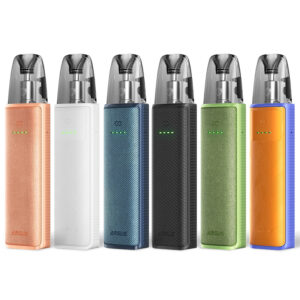
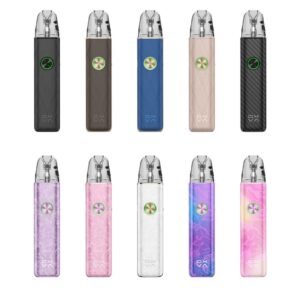
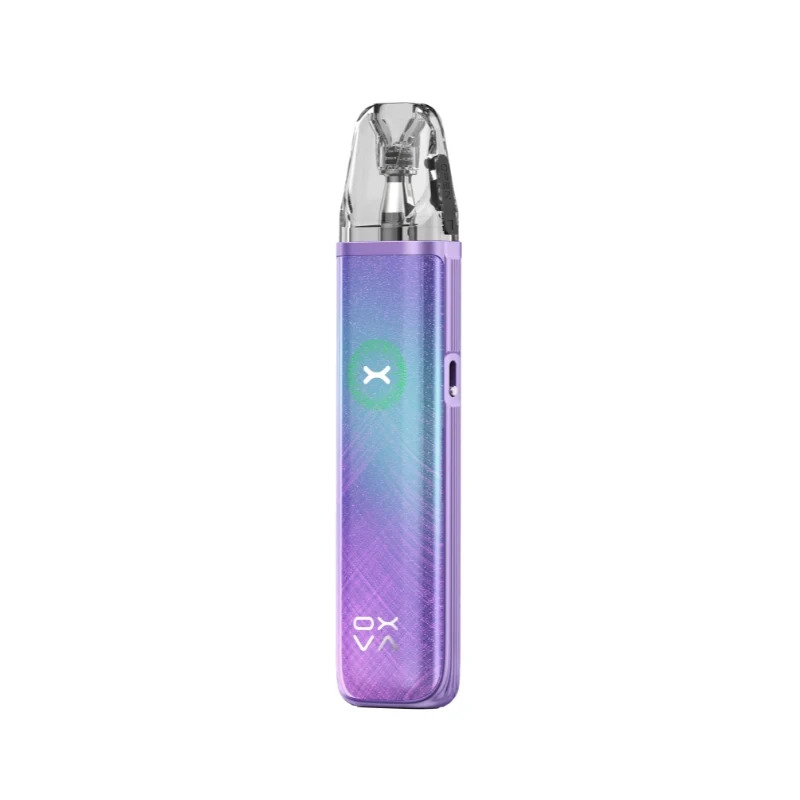
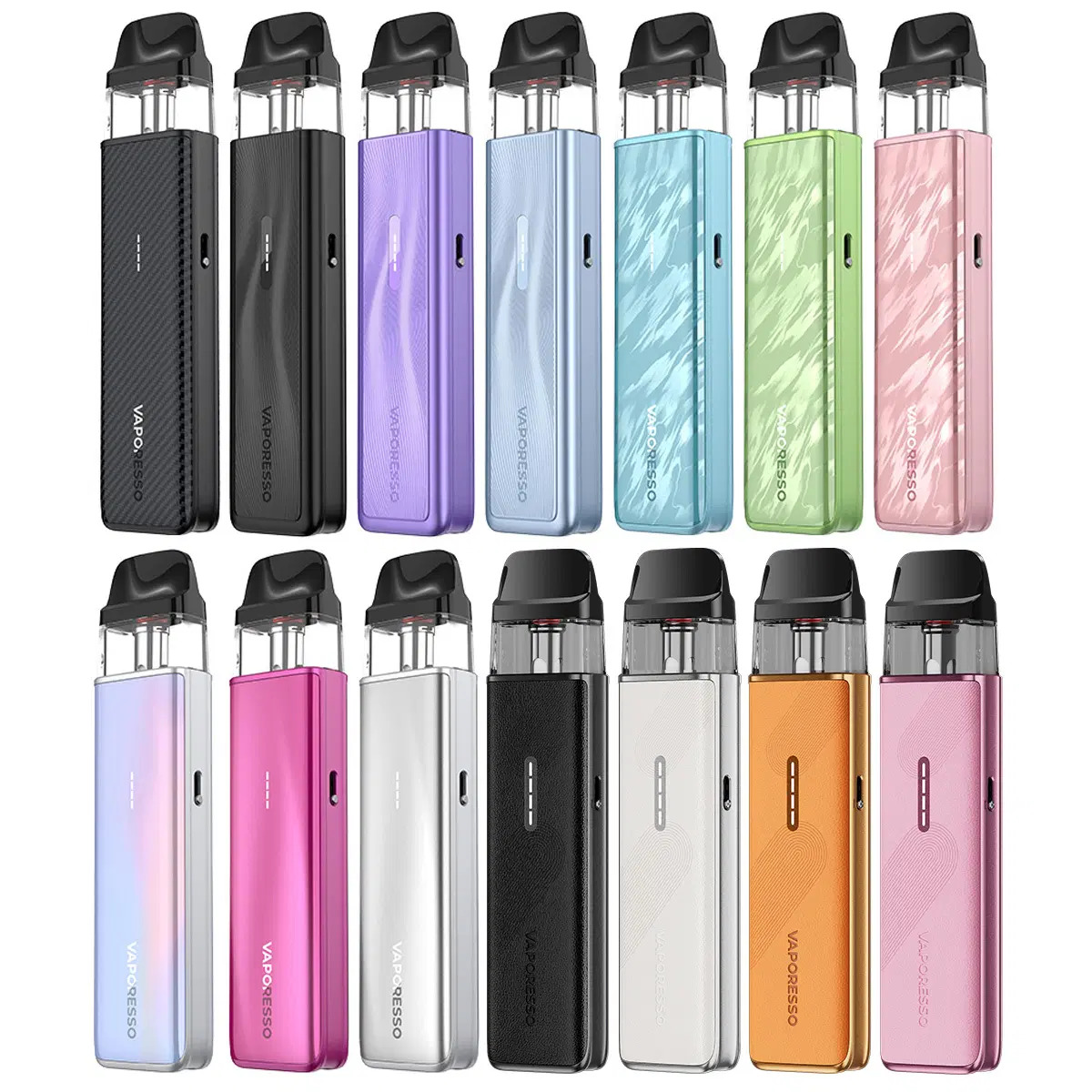
Three kits from our vape kits range that suit a suitcase. The Oxva Xlim Go is flat, light and holds enough charge for a long-haul day. The Vaporesso Xros 5 Mini pairs a bigger 1500mAh cell with a pod that empties and refills without tools. The Uwell Caliburn Koko is the pocket option, small enough to genuinely forget you are carrying it, though it charges over micro-USB rather than USB-C. If you want a wider shortlist, see our picks of the best pod kits for beginners, or read the prefilled pod kit buying guide if you would rather not carry liquid at all.
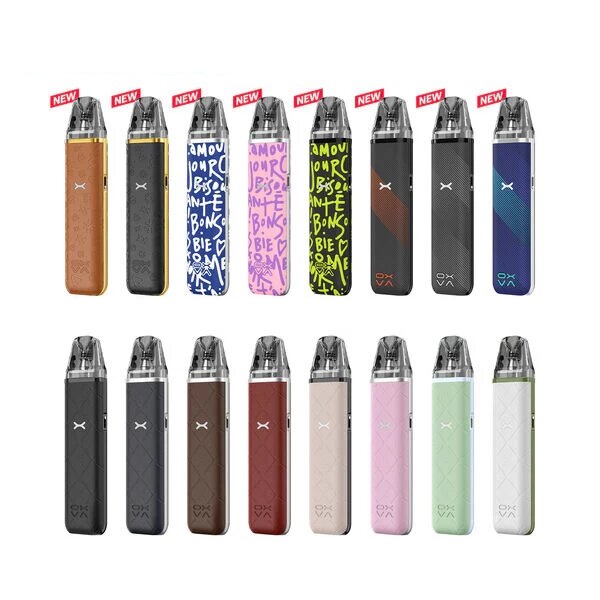
On liquid, size is the whole game. 10ml bottles are the UK legal maximum for anything containing nicotine anyway, and they drop into the clear liquids bag without argument. Four or five of them covers a fortnight for most people. Nic salts in 10ml are the natural match for a small pod kit, and because the strength is higher you get through less of it. Work out what you actually need with our guide to how much nicotine you should vape.
Anything larger belongs in the hold. Shortfill bottles of 50ml or 100ml come in bottles larger than 100ml, so they will not pass security in hand luggage, but they are perfectly legal in your checked suitcase, double bagged and standing upright. If you are unclear on the difference between the two formats, shortfill vs 10ml e-liquid explains which one suits your kit. And if you are filling a pod for the first time on a hotel bathroom shelf, how to fill a pod kit correctly will save you a towel.
One thing worth knowing about duty-free: airside shops in UK terminals now stock reusable, rechargeable devices only, so if you turn up expecting to grab something single-use on the way to the gate, you will not find it. Buy what you need before you leave. If you are still weighing up making the change at all, the case is set out in 10 reasons to switch from smoking to vaping.
There is no single international law setting an exact number of kits per traveller, but there is a line between personal use and commercial quantity, and customs officers know where it sits. Turn up with a suitcase of sealed hardware and you will be answering questions about import duty.
As a working rule, ICAO guidance points airlines towards a limit of around 15 battery-powered personal devices per passenger. That total includes your phone, laptop, tablet, headphones, power bank and any vape kits, so in practice one or two devices and a spare is well within it. Two kits is sensible anyway: if one fails on day three of a two-week trip, you are not hunting for a vape shop in a country where they may not exist.
On liquid, think in weeks rather than bottles. A 10ml of nic salt lasts a typical pod user roughly three to five days, so a fortnight is four or five bottles. Take what you will realistically use plus one, keep it in the original sealed packaging so it is obviously personal supply, and remember that buying replacements at your destination may not be possible at all.
Last thing before you zip the bag: check your airline’s own page. Carriers publish their dangerous goods policy and they do occasionally differ on spare battery counts and watt-hour limits. The Civil Aviation Authority keeps the UK-wide guidance current, and aviation rules change faster than most, so a two-minute check before a trip is time well spent.
Free UK delivery over £15, 1.8 reward points on every £1 and 20,000+ five-star reviews. New here? Register at checkout for 10% off your first order.
Yes. Larger bottles are fine in the hold, and that is the only place to put anything over 100ml. Only the hardware with lithium cells in it is restricted to the cabin. Wrap the bottles in a zip-lock bag so a pressure leak does not reach your clothes.
Take the device and every spare battery out before you hand the bag over, and carry them on your person. They cannot travel in the hold under any circumstances, and staff will not check for you.
Yes. They contain liquid, so they go in your clear one-litre bag along with your other liquids, but there is no restriction on carrying them.
Some hubs sell hardware and liquid in duty-free or convenience outlets, but since the legislative changes you will only find reusable, rechargeable devices on the shelves. Do not rely on it; buy before you travel.
No. Movement in the bag can hold the fire button down and heat the coil with no airflow to cool it. Shut the device down fully and lock it if the option is there.
Almost never. A few UK terminals keep a signed outdoor area landside, before security, but airside vaping areas have largely gone. Assume you cannot vape from the terminal doors until you are outside at the other end.