

Most of what we call flavour is really smell. When you vape, aroma compounds travel from your mouth to the back of the nose and are picked up there, while the tongue adds sweetness, sourness and bitterness, and the throat and mouth add sensations such as coolness and warmth. A good e-liquid works on all three at once.
That is why flavour creators borrow heavily from perfumery and cooking. They think about what hits first, what holds the middle of the puff, and what is left on the exhale. It is also why the same liquid can taste different from one day to the next: a blocked nose, a strong coffee or a burnt coil all change what reaches your senses. If a favourite liquid suddenly tastes of nothing, our guide to why a vape tastes burnt covers the coil side of things.
A layered recipe usually has three tiers. Each one does a different job, and the balance between them is what separates a flat liquid from a memorable one.
Take a strawberry cheesecake recipe. A sharp strawberry note gives the opening, a riper jammy strawberry carries the middle, and cream cheese with a biscuit base finishes it. Leave out the top note and it tastes heavy. Leave out the base and it tastes like a thin sweet. The skill is in proportion: each layer present, none shouting over the others.
Proportion also changes with concentration. A note that sits nicely in the background at a low level can take over completely if it is doubled, and some ingredients, cooling agents and sharp citrus in particular, are powerful at very small amounts. That is why commercial recipes are refined over many test batches, and why a finished liquid tastes so different from any single concentrate on its own. The same logic explains why “more flavour” is not always better: pushing the total percentage too high tends to make a liquid harsh and perfumed rather than richer.
Single-note liquids, such as a straight menthol or a plain tobacco, still follow the idea, just with fewer layers. A good menthol has a sharp top and a smoother finish; a good tobacco has a dry, toasty top and a sweeter, rounder base.
The base liquid is not neutral. It changes how a recipe tastes as much as any concentrate does, which is why flavour creators build each recipe for a particular ratio.
| Base | Effect on flavour | Suits |
|---|---|---|
| Higher PG | Carries flavour sharply; top notes stand out; stronger throat hit | Mouth-to-lung pods and tanks |
| 50/50 | Balanced flavour, vapour and throat hit | Most pod kits, coils of 0.6 ohm and above |
| 70/30 VG/PG and above | Softer, rounder, slightly sweeter; creamy base notes shine, sharp notes soften | Sub-ohm coils below about 0.6 ohm |
VG is naturally a little sweet and thick, so it rounds off acidity and smooths the finish. That is why custards and bakery flavours are so often sold as high-VG shortfills: the base helps the creamy notes. PG is thin and carries aroma efficiently, so bright fruits and mints often come through more vividly at 50/50. Our guide to PG/VG ratios covers the ratio question in full, and high VG vs 50/50 in pods explains why pod kits need thinner liquid.
Flavour concentrates for vaping are made from three broad kinds of ingredient, and most commercial recipes use a mix of all three.
Natural extracts are taken from real sources by pressing, distilling or extracting. They can taste authentic and complex, especially in tobaccos, but they are expensive, vary from batch to batch and can be less stable over time.
Nature-identical flavourings are made in a lab but are chemically the same molecules found in nature. Vanillin, the main aroma of vanilla, is a well-known example. They are consistent and cost-effective, which is why they form the backbone of most concentrates.
Artificial flavourings are molecules designed to create a taste that nature does not provide in a convenient form. Candy, cola and “blue” flavours depend on them, and they give flavour creators precise control.
In the UK, nicotine-containing e-liquids are notified to the MHRA before sale. The regulations prohibit additive categories, and MHRA guidance treats diacetyl as unacceptable, so UK-notified nicotine liquids do not contain it. Buttery and creamy notes in those liquids are built from other ingredients.
Beyond the main flavours, recipes use a few supporting ingredients the way a chef uses salt and pepper. Used lightly, they lift everything; used heavily, they dominate.
Sweeteners add a candied edge and make fruit taste riper. The trade-off is that sweetened liquids leave residue on the coil, so it gunks faster and the flavour fades sooner. If your coils die quickly on one particular liquid, sweetness is the likely reason; see why vape coils burn out fast.
Cooling agents such as menthol and synthetic coolants add the “ice” in so many fruit liquids. Synthetic coolants in particular have little taste of their own but change how the vapour feels, and they can make a sweet recipe feel cleaner.
Sour and bright notes sharpen fruit and cut through sweetness, much like a squeeze of lemon in a dessert. Cream and bakery notes round off sharp edges and add weight to the exhale.
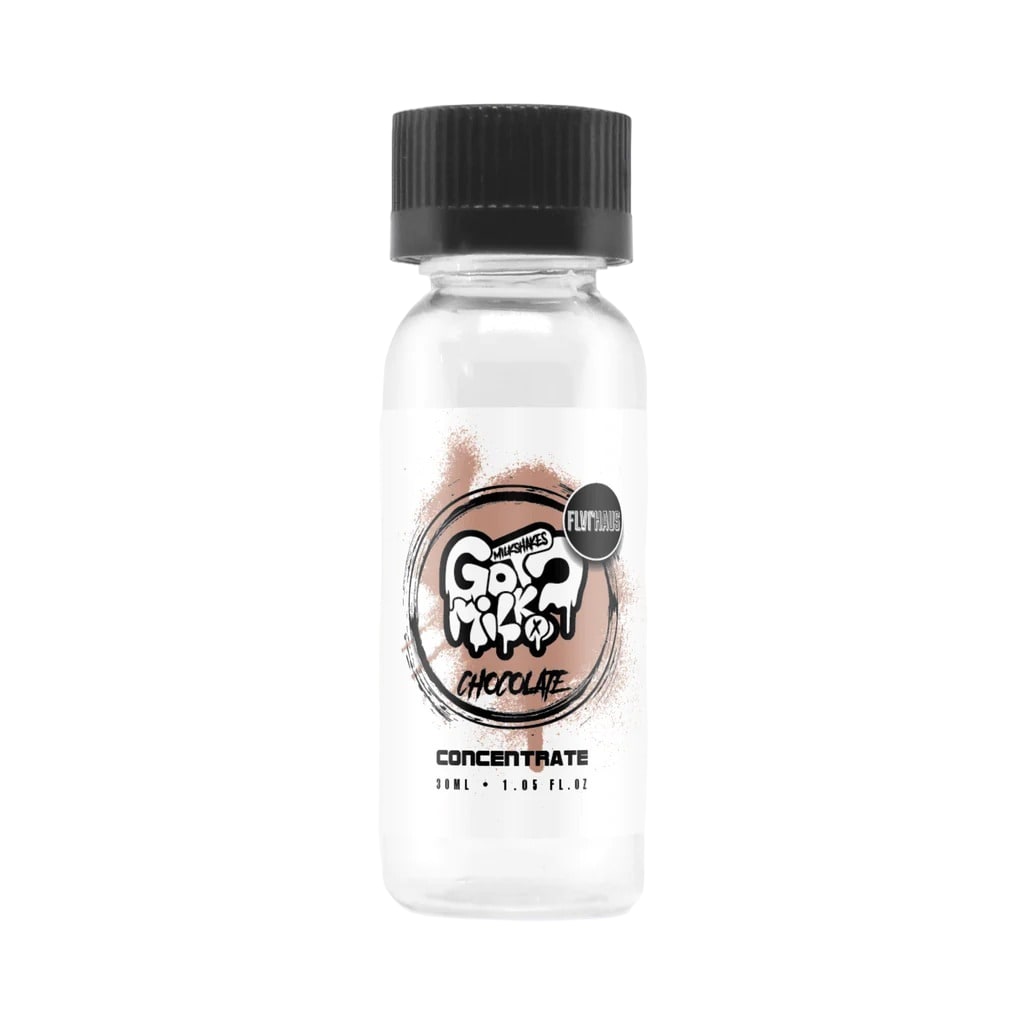
If you mix your own, the same principles apply. The mechanics of measuring are covered in how to mix e-liquid; this is about designing the flavour.
Steeping is where layers knit together; our guide on how steeping changes flavour gives timings by flavour type. For concentrates to experiment with, our DIY and concentrates range includes fruit one-shots such as Jungle Fever by Ruthless, cooled blends such as Blue Raspberry Ice by Zeus Juice, and creamy dessert bases built on custard and milk notes.
You do not need to mix to use any of this. Next time you try a new bottle, take three slow puffs and notice what arrives first, what sits in the middle and what lingers after you exhale. You will quickly learn whether you prefer bright, top-heavy fruits or rich, base-heavy desserts, and that makes choosing new flavours much easier.
Multi-flavour packs are a cheap way to train your palate. Bundles such as the Vado E-Liquid 10 x 10ml or Hangsen E-Liquid 20 x 10ml let you compare several styles side by side, while a big bottle such as Lucky 7 80ml by The King of Vapes suits a sub-ohm tank once you know what you like. Our guide to the most popular vape liquid flavours is a good map of the main families.
Free UK delivery over £15, 1.8 reward points on every £1 and 20,000+ five-star reviews. New here? Register at checkout for 10% off your first order.
The layers of a recipe: top notes you notice first, middle notes that carry the main flavour and base notes that give body and linger on the exhale.
PG carries flavour more sharply. VG makes more vapour and softens flavour, which suits creamy recipes.
Sweeteners leave residue on the coil as the liquid vaporises. It builds up, mutes flavour and eventually tastes burnt.
The regulations prohibit additive categories, and MHRA guidance treats diacetyl as unacceptable, so UK-notified nicotine liquids do not contain it.
With a one-shot concentrate at the label percentage, a small batch and a week of steeping. Change one thing at a time from there.