

UK vape law used to change slowly. The Tobacco Products Directive rules of 2016 stood almost untouched for eight years. Since 2025 the pace has picked up considerably, so it helps to have the key dates in one place before we get into what each one actually does.
| Date | What changed | What it means for you |
|---|---|---|
| May 2016 | TPD rules take effect in the UK | 20mg/ml cap, 10ml bottles, 2ml tanks, child-resistant packaging |
| 1 June 2025 | Disposable vape ban | Single-use devices gone; rechargeable pod kits take their place |
| 2026 | Tobacco and Vapes Act becomes law | Ad ban, plainer packaging, licensed retailers, tougher enforcement |
| 1 October 2026 | Vaping Products Duty starts | £2.64 added to every 10ml at the till |
| 31 March 2027 | Pre-duty sell-through deadline | Last day retailers can sell stock bought before the duty at old prices |
The ban on single-use vapes came into force on 1 June 2025 under environmental law rather than health law. The driver was waste: millions of lithium batteries a week were going into general rubbish. The rule is simple. A vape can only be sold if it is rechargeable, refillable with e-liquid, or takes replaceable pods or coils. Anything sealed and thrown away when the battery dies is illegal to sell anywhere in the UK.
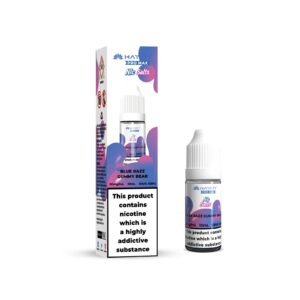
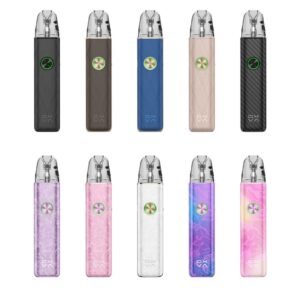
If you were a disposable user, the good news is that the market moved fast and the replacements are better value. Prefilled pod kits give you the same 20mg nic salt, the same flavours and the same draw, but the battery charges over USB-C and you snap in a fresh prefilled pod when one runs dry. The Lost Mary BM6000 and the Hayati Pro Max+ 6000 are two popular choices with former disposable users because they feel almost identical in the hand. Our prefilled pod kit buying guide walks through the differences.
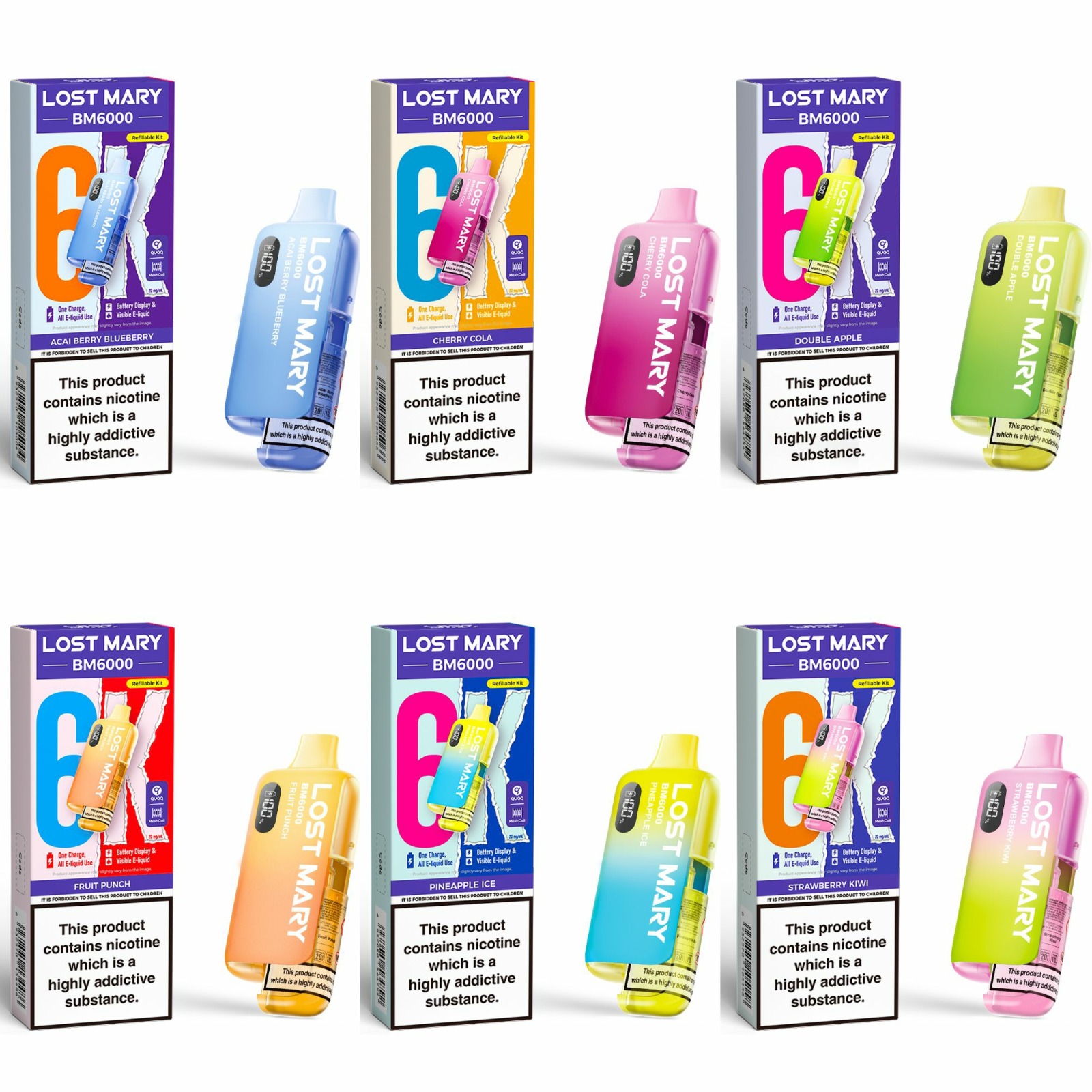
The other route is a refillable pod kit such as the Vaporesso Xros 4 Mini or the Uwell Caliburn G2, filled from a 10ml bottle of nic salt. It costs more up front and far less per week, which matters more than ever once the duty arrives.
One thing to be clear on: the ban is on sale and supply, not on possession. If you still have an old disposable in a drawer you’re not breaking the law by using it. You just can’t buy another one, and any shop or website offering them is trading illegally.
The Act is the biggest piece of tobacco and nicotine legislation in a generation, and most of the headlines have been about cigarettes. Its headline measure is a rolling age of sale: from 1 January 2027, anyone born on or after 1 January 2009 will never legally be sold tobacco. That rule does not apply to vapes. Vaping stays legal for anyone aged 18 and over. The NHS describes vaping as substantially less harmful than smoking, although not risk-free. If you’re weighing that up, see our 10 reasons to switch from smoking to vaping.
For vapers, the Act matters because of the powers it hands ministers. Many of them are switched on by later regulations rather than all at once, so what you see in shops will keep changing through 2026 and 2027. The main ones are below.
What the Act does not do is ban flavours outright, ban online sales or raise the age of sale for vaping. The consultations that led to it heard clearly from ex-smokers that fruit and dessert flavours were what kept them off cigarettes, and the final text reflects that. Where you will notice a difference is on the shelf: simpler boxes, less colour, health warnings that are hard to miss and, in a lot of shops, products behind a screen.
Underneath the new laws sit the Tobacco and Related Products Regulations of 2016, the UK version of the EU’s TPD, and every one of those rules still applies. They are the reason UK products look and behave the way they do, and they’re worth knowing because they’re the easiest way to spot an illegal product.
Nicotine strength is capped at 20mg/ml. Nothing legal goes higher. A device or bottle claiming 50mg is either mislabelled or smuggled in. The full range from 3mg to 20mg is covered in our guide to how much nicotine you should vape.
Nicotine-containing liquid is limited to 10ml per bottle. This is why the UK has two formats: ready-mixed 10ml e-liquids and nicotine-free shortfills that you top up with a nic shot. Our shortfill vs 10ml guide explains which suits your kit.
Tanks and pods hold 2ml at most. Big-puff prefilled kits work within this limit using 2ml pods, and the puff figure on the box is the manufacturer’s rating for the kit. What separates them from a banned disposable is a rechargeable battery and replaceable pods.
Every product must be notified to the MHRA six months before sale, with its ingredients and emissions data on file. Packaging must be child-resistant and tamper-evident, carry the nicotine health warning across 30% of the front and back, and include a leaflet. Certain ingredients, including caffeine, taurine, colourings and vitamins, are banned outright.
The legal age to buy vapes or e-liquid is 18. It’s also an offence for an adult to buy them on behalf of someone under 18. Zero-nicotine products were a grey area for years; the Tobacco and Vapes Act closes it by bringing them under the same age and marketing rules as nicotine products.
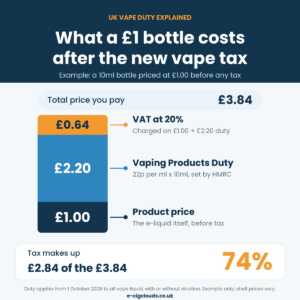
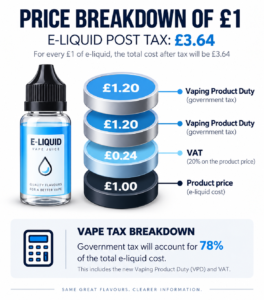
From 1 October 2026 every millilitre of vaping liquid sold in the UK carries Vaping Products Duty at a flat £2.20 per 10ml. VAT is charged on top, so the amount that lands on the shelf price is £2.64 per 10ml. It applies whether or not the liquid contains nicotine, which means shortfills and nic shots are taxed on their full volume, and prefilled pods are taxed on the liquid inside them.
The maths is straightforward. One 10ml bottle picks up £2.64. A 50ml shortfill plus one nic shot is 60ml of taxable liquid, so £15.84. A 100ml shortfill plus two shots is 120ml, so £31.68. Bigger bottles see the biggest rise in pounds, but because the duty is the same on every ml regardless of bottle size, the format that was cheapest per ml before October stays cheapest after it. We’ve worked through every scenario in our guide to how much vape prices will go up.
There is a window. Duty is charged when stock leaves the manufacturer or importer, not when you buy it, and anything already in the supply chain on 1 October can be sold without a duty stamp until 31 March 2027. From 1 April 2027 every vaping product on sale in the UK must carry a vaping duty stamp, which becomes the quickest way to tell a legal product from an illegal one. Retailers who buy in ahead of the date will have pre-duty stock on the shelves for months. If you already know your flavour and strength, buying a few months’ worth before October is the single most effective thing you can do about the tax, and every £1 you spend still earns 1.8 reward points.
Hardware is not covered by the duty. Kits, coils, batteries and empty pods are unaffected, so a refillable kit becomes relatively better value the more you vape. A pod kit filled from 10ml bottles will always carry less duty per week than the same nicotine delivered in prefilled pods, simply because you’re not paying for liquid you don’t use.
The 2007 smoking ban never covered vaping, and that is still the case. There is no national law against vaping indoors. What there is instead is a patchwork of private rules, and in practice they are stricter than the law. Almost every employer, pub chain, restaurant, shopping centre and train operator bans vaping on their premises under their own policy, and they can ask you to leave or refuse service if you ignore it.
Public transport is the clearest example. Vaping is banned on all trains, buses and Tube services and on station platforms. Airlines ban it in the cabin and airports ban it beyond the smoking areas, though you can carry your kit and liquid through security within the usual limits. Our guide to vaping and flying covers batteries, liquids and what to do with your device on board.
The Tobacco and Vapes Act gives ministers the power to extend smoke-free rules to vaping in specific outdoor places. The areas being discussed are children’s playgrounds and the grounds of schools and hospitals. Pub gardens and outdoor hospitality were considered and dropped. Until those regulations are made, the position outdoors is unchanged: legal, but be considerate.
Driving while vaping is legal, but if the cloud obscures your view or the police judge you to be distracted, you can be charged with driving without due care and attention. Crack a window and keep it to a minimum.
Illegal vapes have been the biggest enforcement problem of the last few years, and the new licensing regime is aimed squarely at them. They’re easy to avoid once you know what a compliant product looks like.
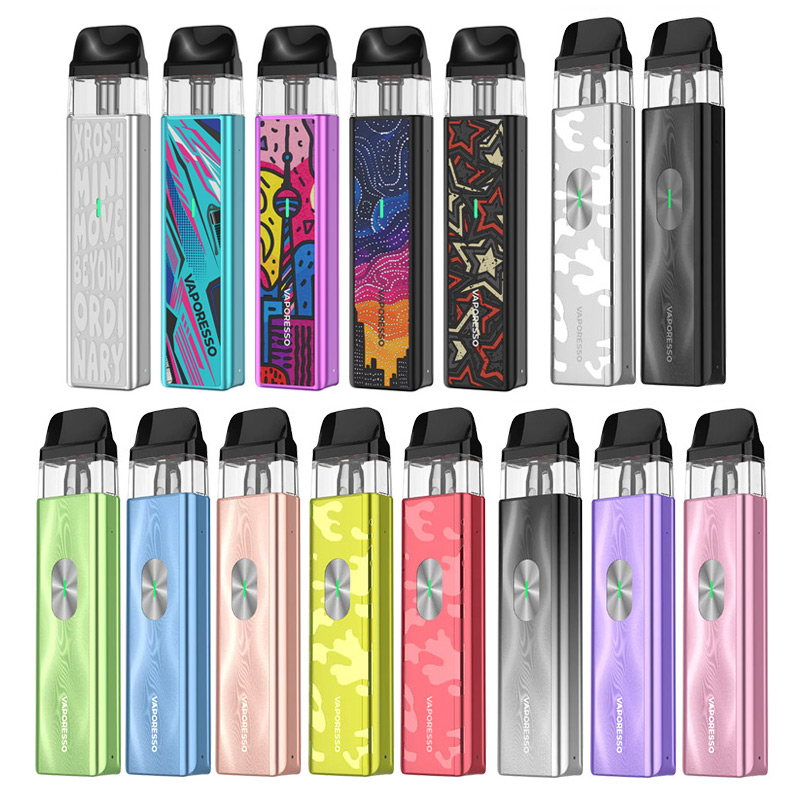
Everything on this site is MHRA-notified and UK-compliant, from the starter kits to the e-liquid range, and we check age at checkout and at the door.
Free UK delivery over £15, 1.8 reward points on every £1 and 20,000+ five-star reviews. New here? Register at checkout for 10% off your first order.
Yes. Vaping is legal for adults aged 18 and over, and the Tobacco and Vapes Act does not change that. The generational ban applies to tobacco only. Refillable kits, prefilled pod kits, 10ml e-liquids, nic salts and shortfills all remain on sale.
Yes. The ban on selling single-use vapes has applied in England, Wales, Scotland and Northern Ireland since 1 June 2025. Owning or using one you already had is not an offence, but selling or supplying them is.
Not outright. The Act gives ministers the power to restrict flavour names, descriptions and packaging aimed at children. Fruit, dessert and menthol liquids remain legal; expect plainer labels rather than fewer flavours.
Vaping Products Duty is £2.20 per 10ml of e-liquid from 1 October 2026, or £2.64 once VAT is added. It applies to all vaping liquid, with or without nicotine, but not to hardware. Stock bought in before the date can be sold at pre-duty prices until 31 March 2027.
20mg/ml, in bottles of no more than 10ml. Anything labelled higher is not a legal UK product. Most former smokers find 10mg to 20mg nic salt in a pod kit covers them comfortably.
There is no national law against it, but nearly every employer, venue and transport operator bans it under their own rules, and you must follow those. Vaping is banned on all UK public transport and on flights.